A Legacy Rooted in Time
Temple House History
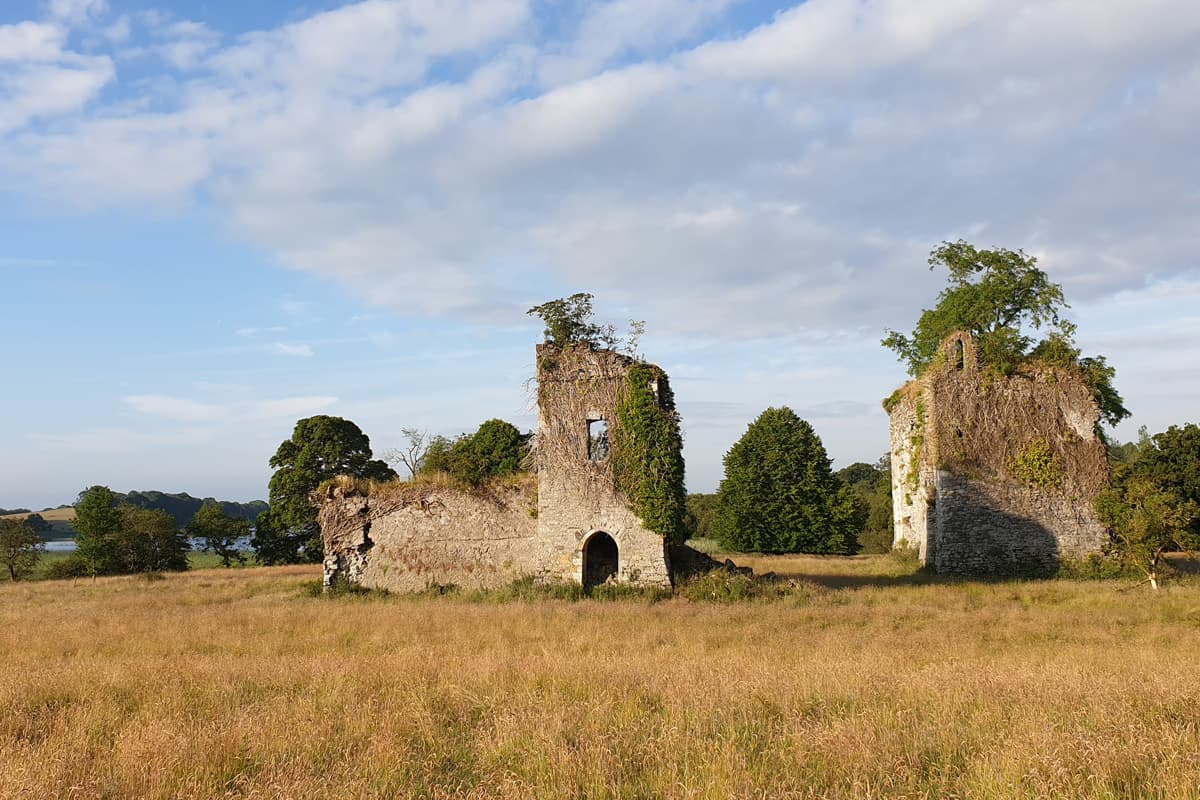
A community of Knights Templars established themselves in a castle by the lake in the 12th century — and left their name in perpetuity.
The Percevals
From Normandy to the shores of Templehouse Lake
Long before the Templars, Sir Perceval earned fame and honour as one of the Knights of King Arthur’s Round Table. History records that Ascelin Goval de Perceval defended his castle of Yvery in Normandy in 897 and, a few generations later, a Perceval helped to invade England as part of the retinue of William the Conqueror. In the 16th century, a member of the family was granted land in Ireland as a reward for his services to Queen Elizabeth I and a descendant of his married in 1665 Mary Crofton, heiress to the lands of Temple House. With a short, but significant, break in the 19th century, the Percevals have owned the property since then.
A Journey Through Centuries
Five chapters of one estate
The Knights Templar (13th Century)
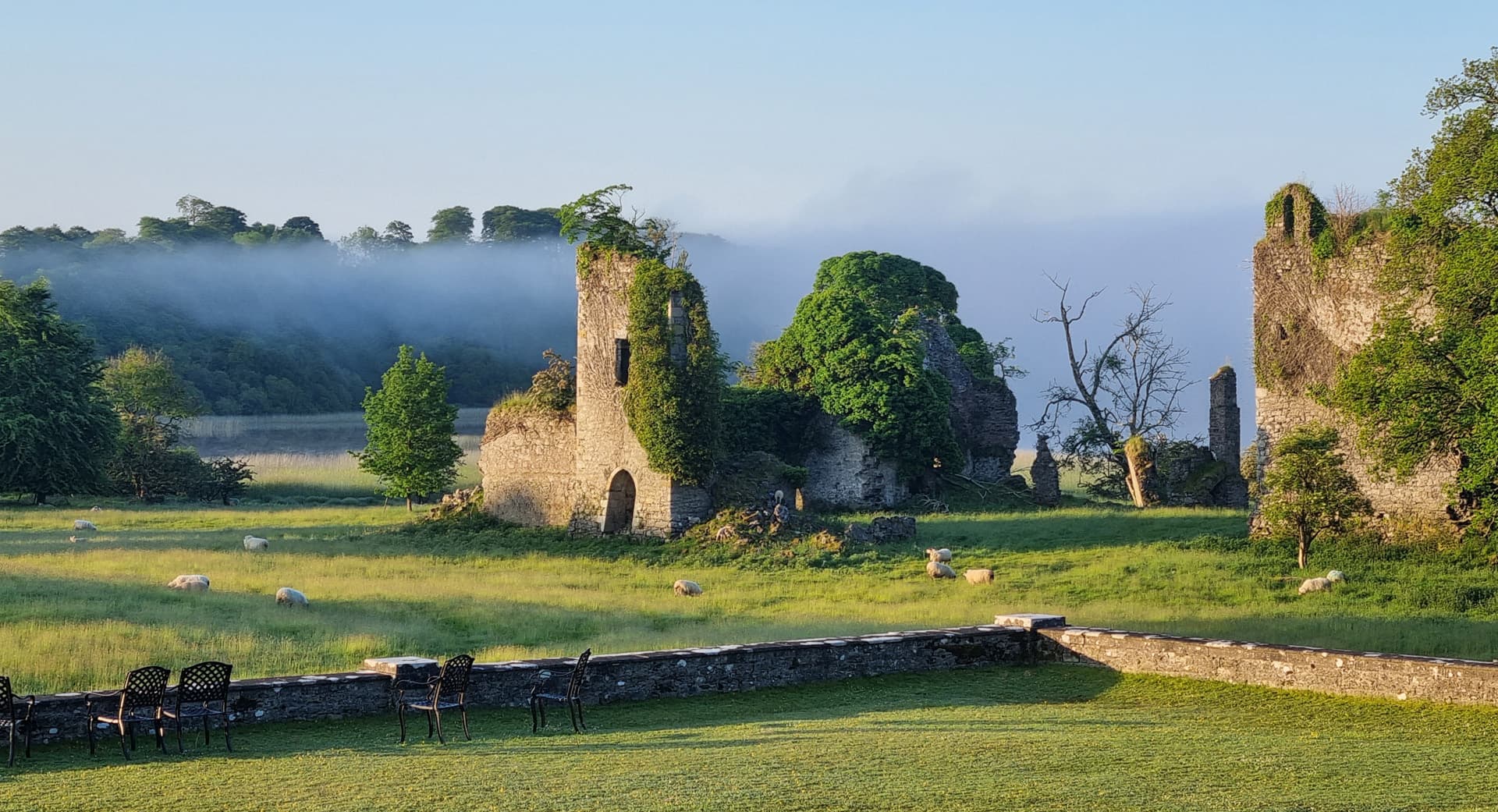
The origins of Temple House date back to the 1200s when the Knights Templar established a fortress here. The ruins still stand by the lake, silent witnesses to centuries of Irish history.
The Crofton & Perceval Connection (17th Century)
After the Dissolution of the Templars, the estate passed through several hands. In 1665, Mary Crofton married George Perceval, beginning a family legacy that continues to this day.
Georgian Growth (18th Century)
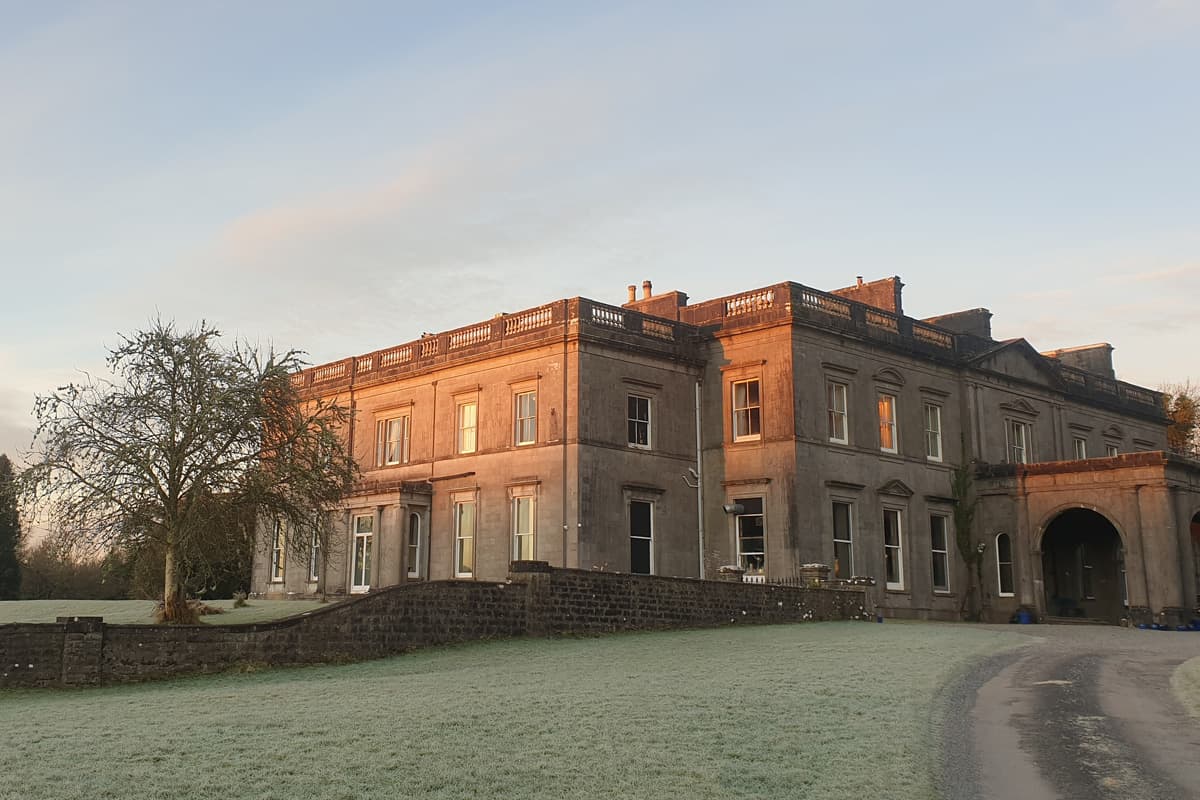
The Percevals rebuilt Temple House as a Georgian residence, blending symmetry and classic design that still define its charm.
Victorian Expansion (1860s)
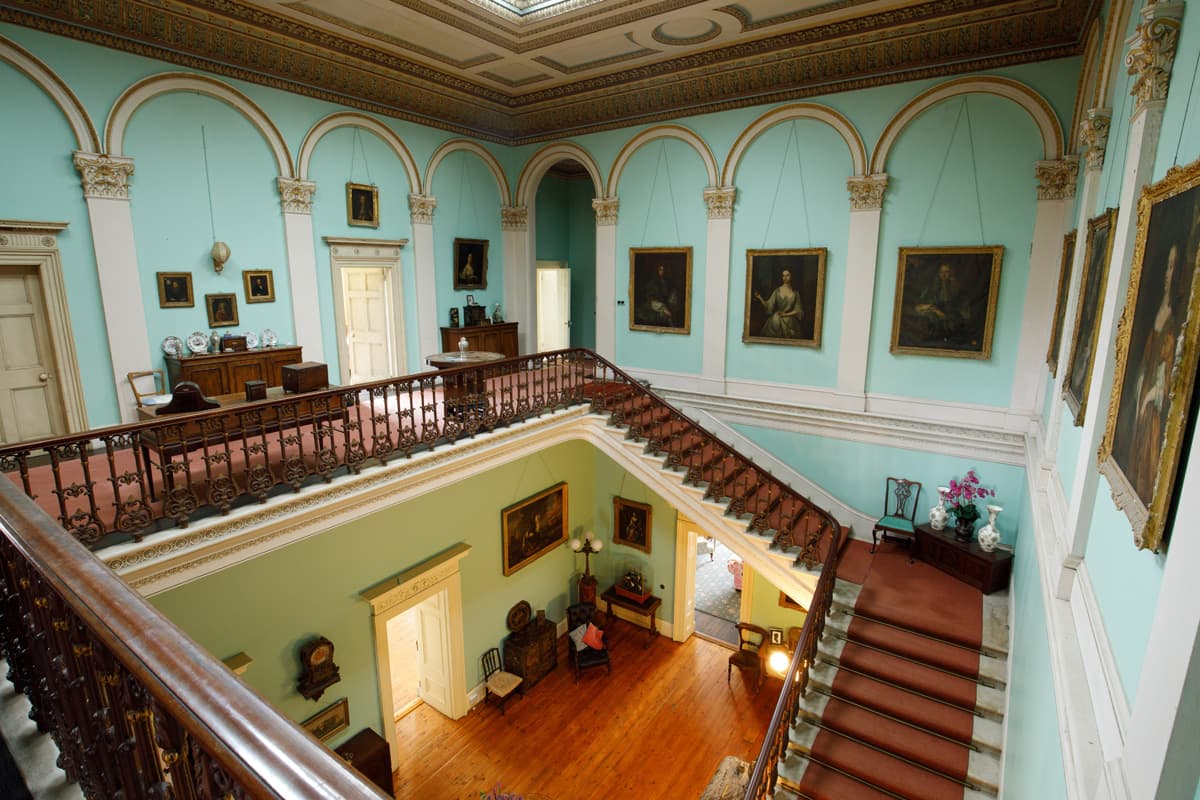
Alexander Perceval, returning from the Far East, tripled the size of the house — adding grand reception rooms and elegant cut-stone façades.
The Modern Era
The family continues to care for the house and grounds, blending heritage with hospitality. Today, Temple House welcomes guests from around the world to experience its unique atmosphere and timeless beauty.
The House
A masterpiece of Georgian architecture
Expanded during the 1860s, its classical proportions, grand entrance hall, and lakeside setting reflect both elegance and endurance.
350+ Years
Each generation has played a part
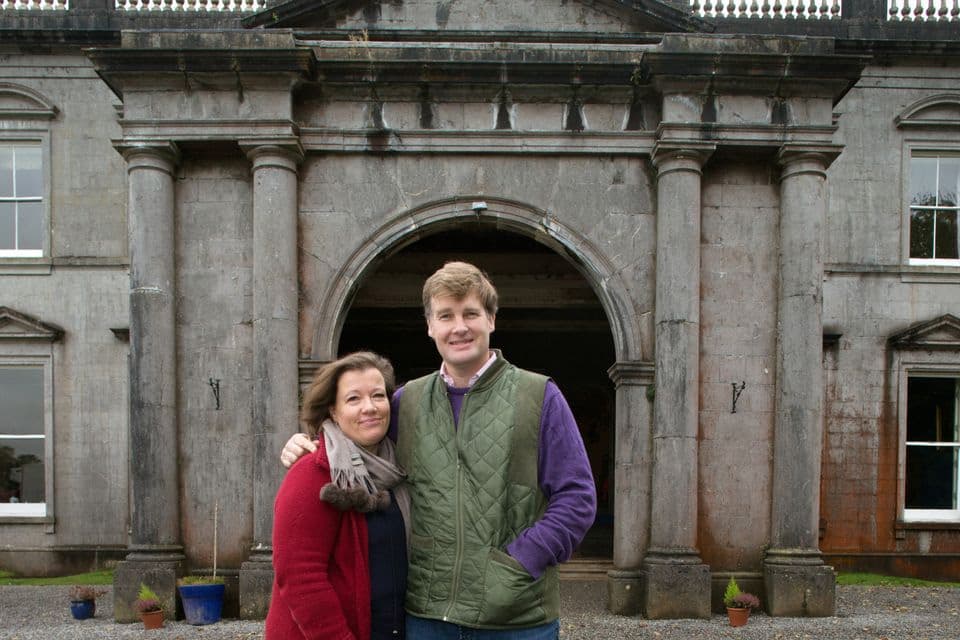
The Perceval family has called Temple House home for over 350 years — from Alexander Perceval’s 19th-century expansion to the ongoing stewardship by Roderick and Helena Perceval today.
Their dedication ensures Temple House remains not just a heritage home, but a living, breathing part of Sligo’s story.
Visit Temple House and Walk Through History
Discover the beauty, stories and spirit that have shaped Temple House for over three centuries.